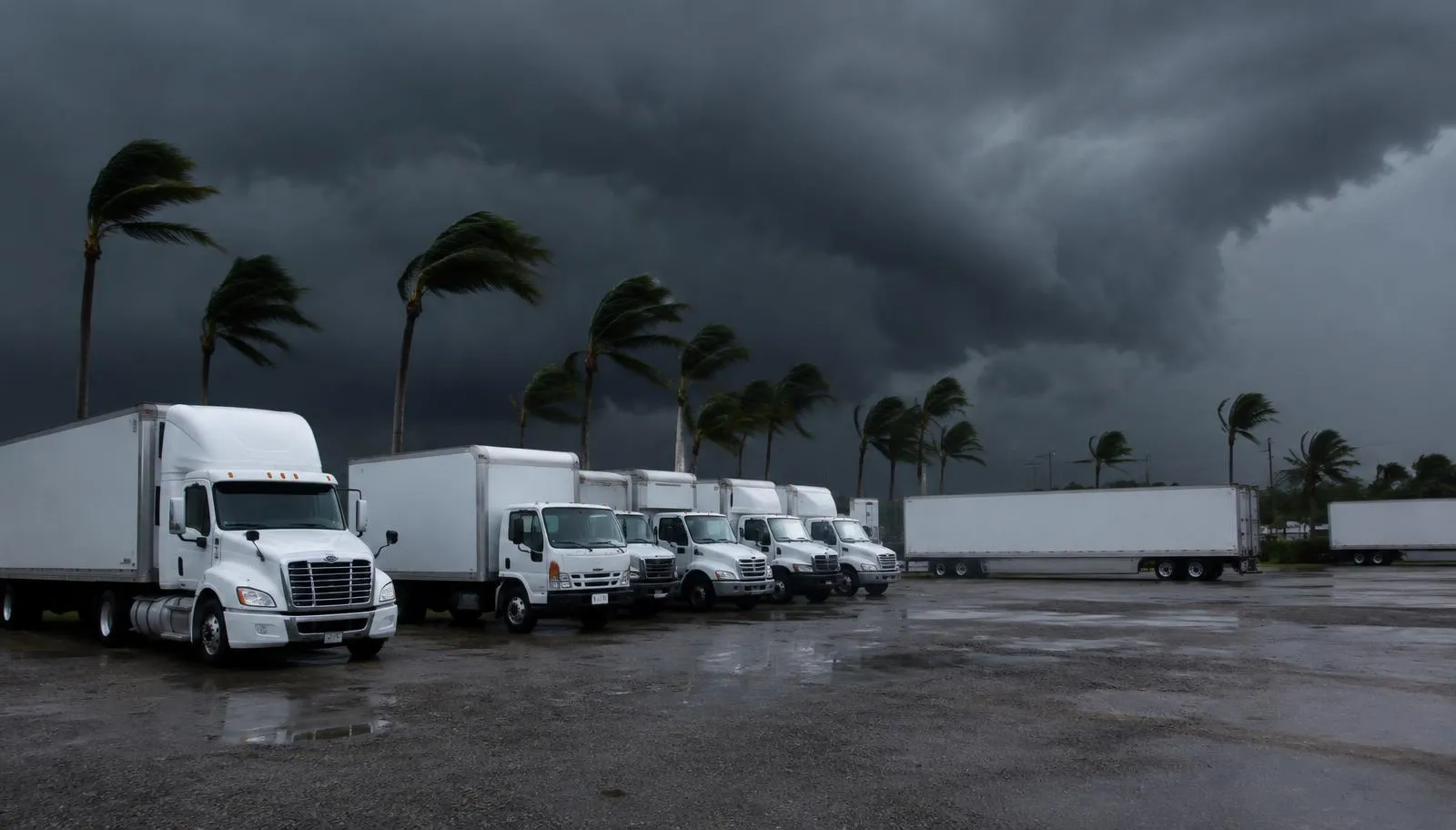
Anyone who lives and works in Southwest Louisiana knows hurricane season isn't something you wait to think about. When a storm is coming, roads fill up, parts get hard to find and every mechanic is busy at once. When it's over, trucks and equipment are needed right away for cleanup, deliveries and rebuilding. The fleets that come through best are the ones that got ready early.
Atlantic hurricane season runs from June 1 to November 30, so the time to prep is before it starts, with a second check when a storm is in the forecast.
Before the season: get the basics right
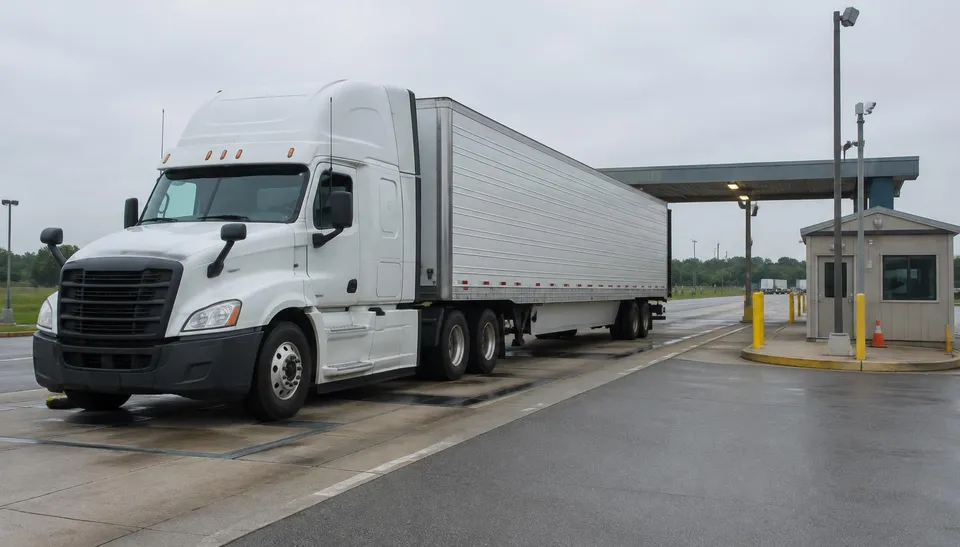
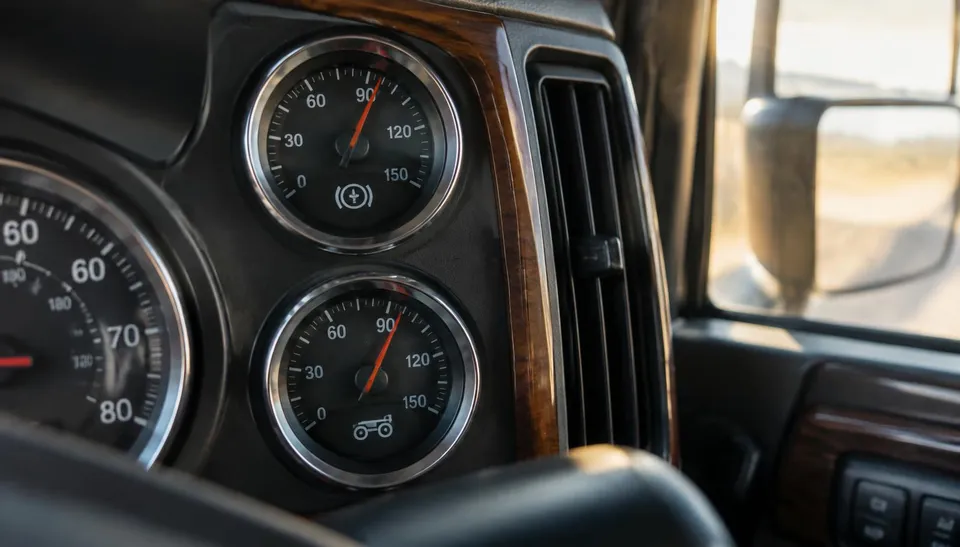
- Brakes and tires. Trucks may need to evacuate, haul heavy loads or drive through debris. Make sure brakes are in good shape and tires have good tread and no damage.
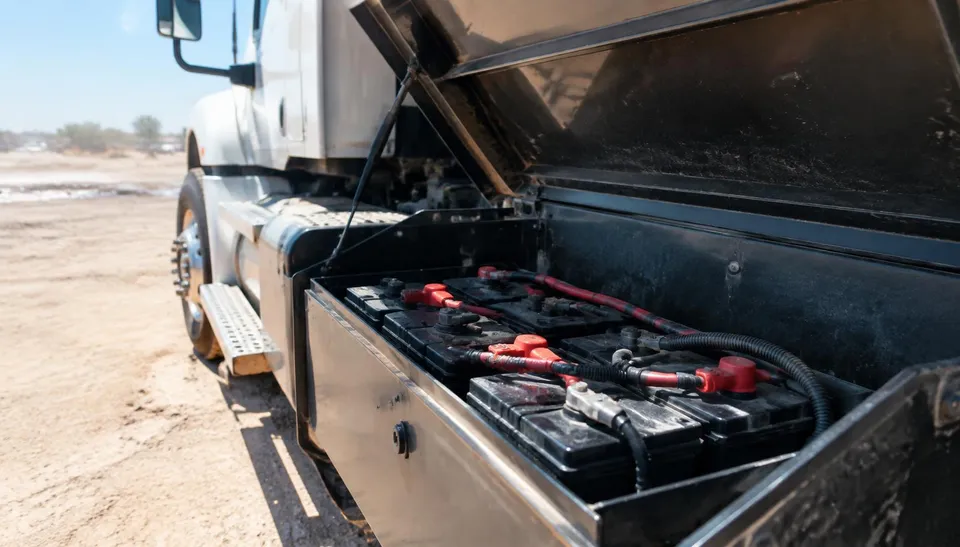
- Batteries and charging systems. Weak batteries fail at the worst times, and heat has already been working on them all summer.
- Cooling systems. Long idling in traffic during an evacuation and hot weather push cooling systems hard.
- Lights and wipers. Storms mean rain, low visibility and driving in the dark. Every light should work and wiper blades should be fresh.
- Fluids and filters. Get routine maintenance done so nothing is overdue when you can't get to it.
When a storm is in the forecast
- Fill fuel tanks early. Fuel can run short before and after a storm.
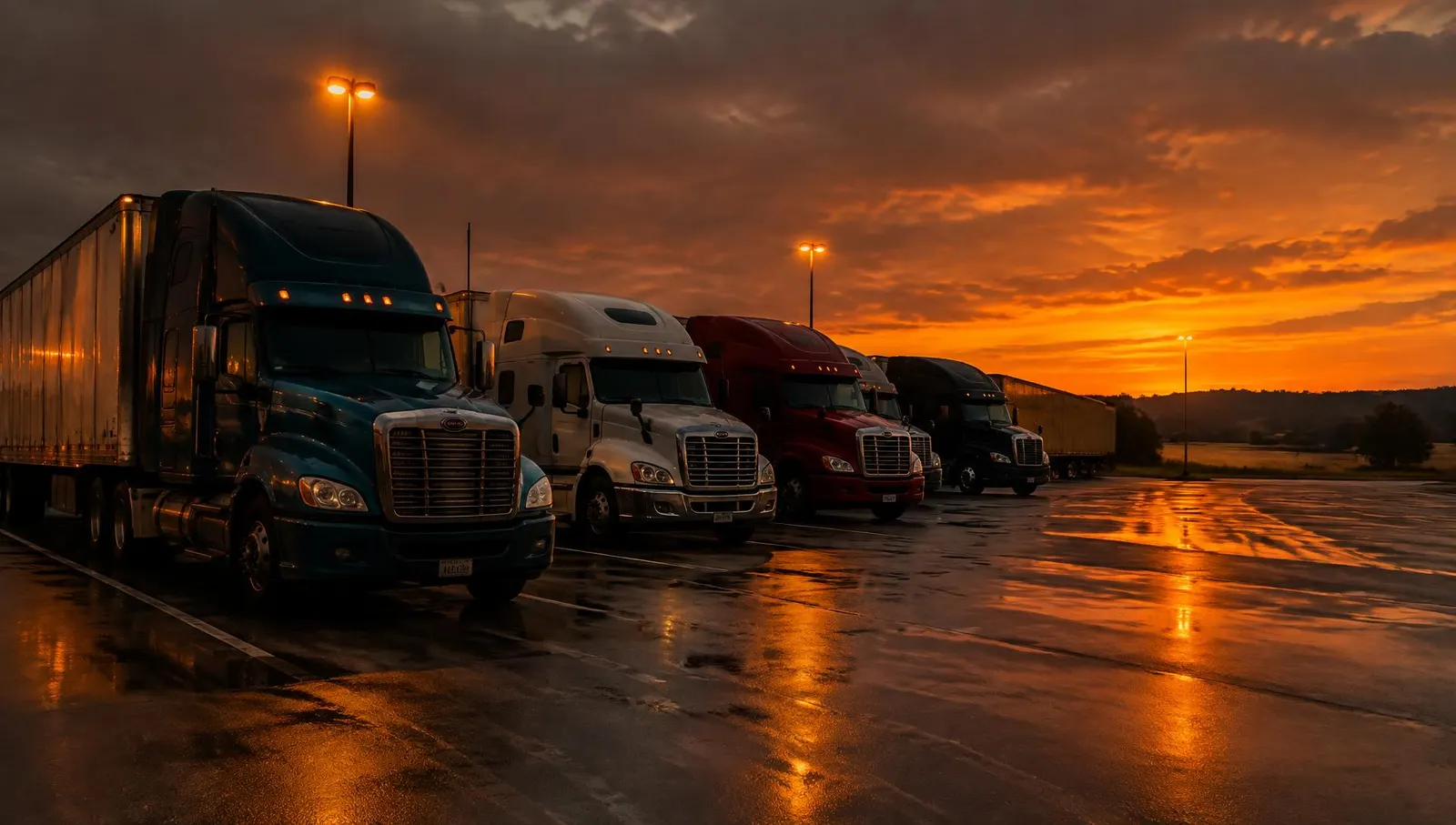
- Move trucks and equipment to higher ground away from trees and loose objects if you can.
- Secure trailers and anything that could blow around.
- Keep a list of every vehicle and machine, with photos, for insurance purposes.
- Have phone numbers ready for the people you'll need after the storm.
After the storm: check before you drive
Floodwater and storm damage cause problems that don't always show right away.
- Never start a vehicle that may have been in floodwater without checking it first. Water in the engine, fuel or air intake can cause serious damage.
- Check for water in fluids, electrical connections and brake components.
- Look for tire and wheel damage from debris.
- Test lights, brakes and air systems before putting trucks back on the road.
- Inspect trailers and equipment for damage from wind and flying debris.
Why DOT compliance still matters after a storm
After a storm, trucks often run more hours and heavier loads than normal. That puts extra stress on brakes, tires and suspension, exactly the items roadside inspections focus on. Staying on top of maintenance during the busy recovery period keeps trucks working and on the road.
Make a plan with your mechanic
The worst time to find a mechanic is right after a storm, when everyone needs one. Setting up maintenance before the season, and knowing who you'll call, makes everything easier.
Get your fleet ready
M3 Roadside helps fleets in Sulphur, Lake Charles and across Southwest Louisiana with fleet preventive maintenance, DOT compliance checks and commercial truck repair, right at your yard or job site. We serve Jennings, Lake Charles and towns along I-10. Call or send a request to get your trucks ready before the next storm.
Need a hand? Send a request or call (409) 233-8574.